

In the United States, “gherkin” typically refers to small pickling cucumbers (usually varieties of Cucumis sativus) harvested at an immature stage (often 1.5–4 inches long) for processing into pickles. True botanical gherkins like West Indian burr gherkin (Cucumis anguria) or Mexican sour gherkin are grown on a much smaller scale, mainly in home or specialty gardens. Commercial production focuses on pickling cucumber varieties suited for mechanical harvest and brining.
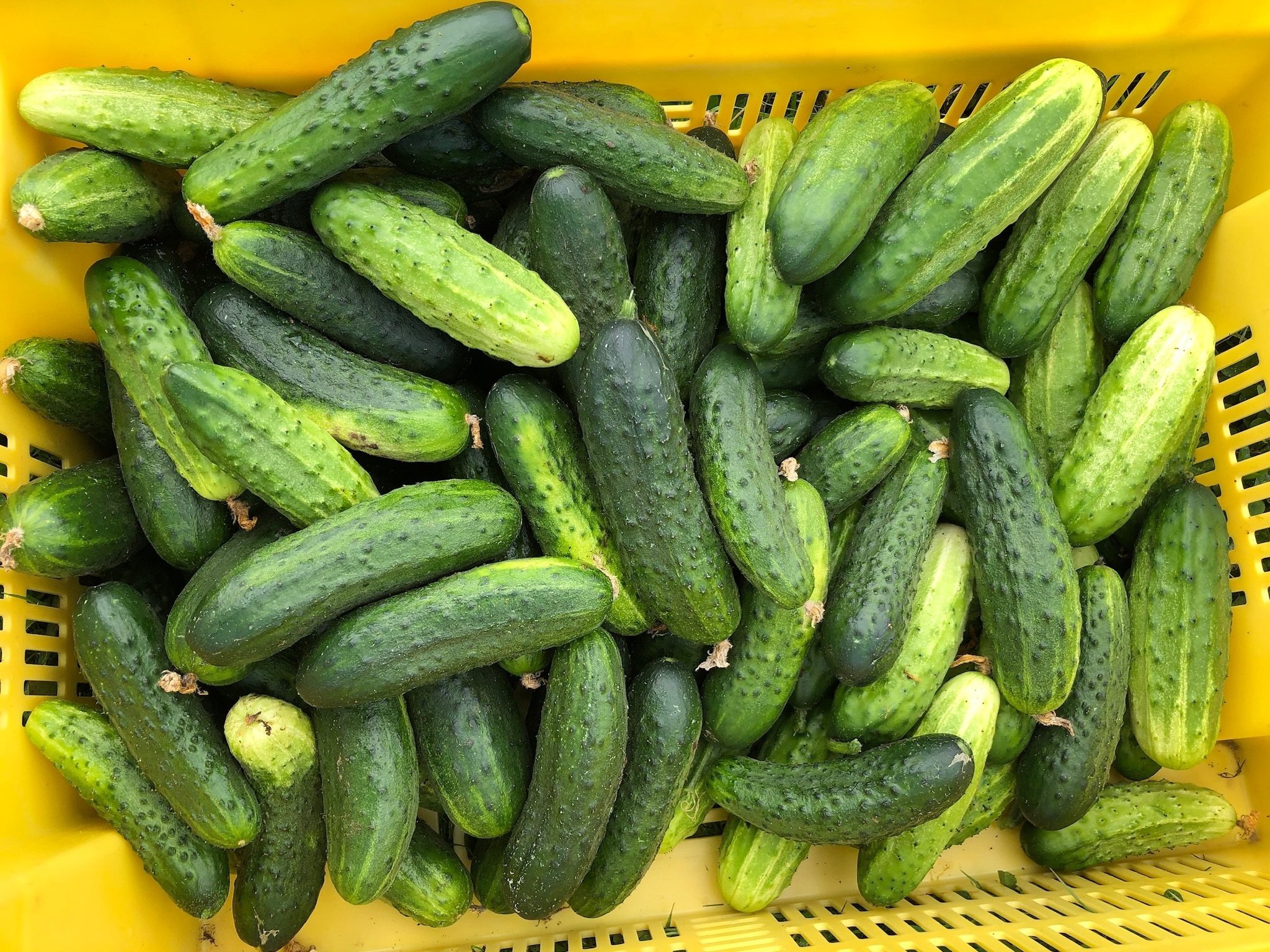
Bulk Pickling Cucumbers — Blackberry Bog Farm
The US cucumber industry divides into fresh-market/slicing cucumbers (primarily Florida, Georgia, North Carolina, California) and pickling cucumbers (dominated by Michigan, with significant acreage in Wisconsin, North Carolina, and others). Michigan leads in pickling cucumber production, often exceeding 25,000–35,000 acres in peak years, thanks to its processing infrastructure and suitable climate for once-over mechanical harvest.
Total US cucumber acreage has declined over decades (around 100,000–110,000 acres recently), but demand remains steady due to domestic pickle consumption and imports (especially fresh cucumbers from Mexico during winter).
Climate and Site Selection
Cucumbers are warm-season crops sensitive to frost. Optimal growth occurs with daytime temperatures of 70–95°F (21–35°C) and nighttime above 50°F (10°C). Soil temperatures should exceed 60°F (15.5°C) for planting. Ideal soils are well-drained loams or sandy loams with 2–3% organic matter and pH 5.8–6.6. Fields should have good air circulation to reduce disease pressure.
In cooler northern states like Michigan and Oregon, planting occurs in late April to June. Southern states use earlier or multiple plantings.
Varieties
Popular pickling varieties include:
- Calypso, Vlaspik, Atlantis F1, H-19 Little Leaf, Max Pack, and others with disease resistance (e.g., to powdery mildew, downy mildew, anthracnose, or cucumber mosaic virus).
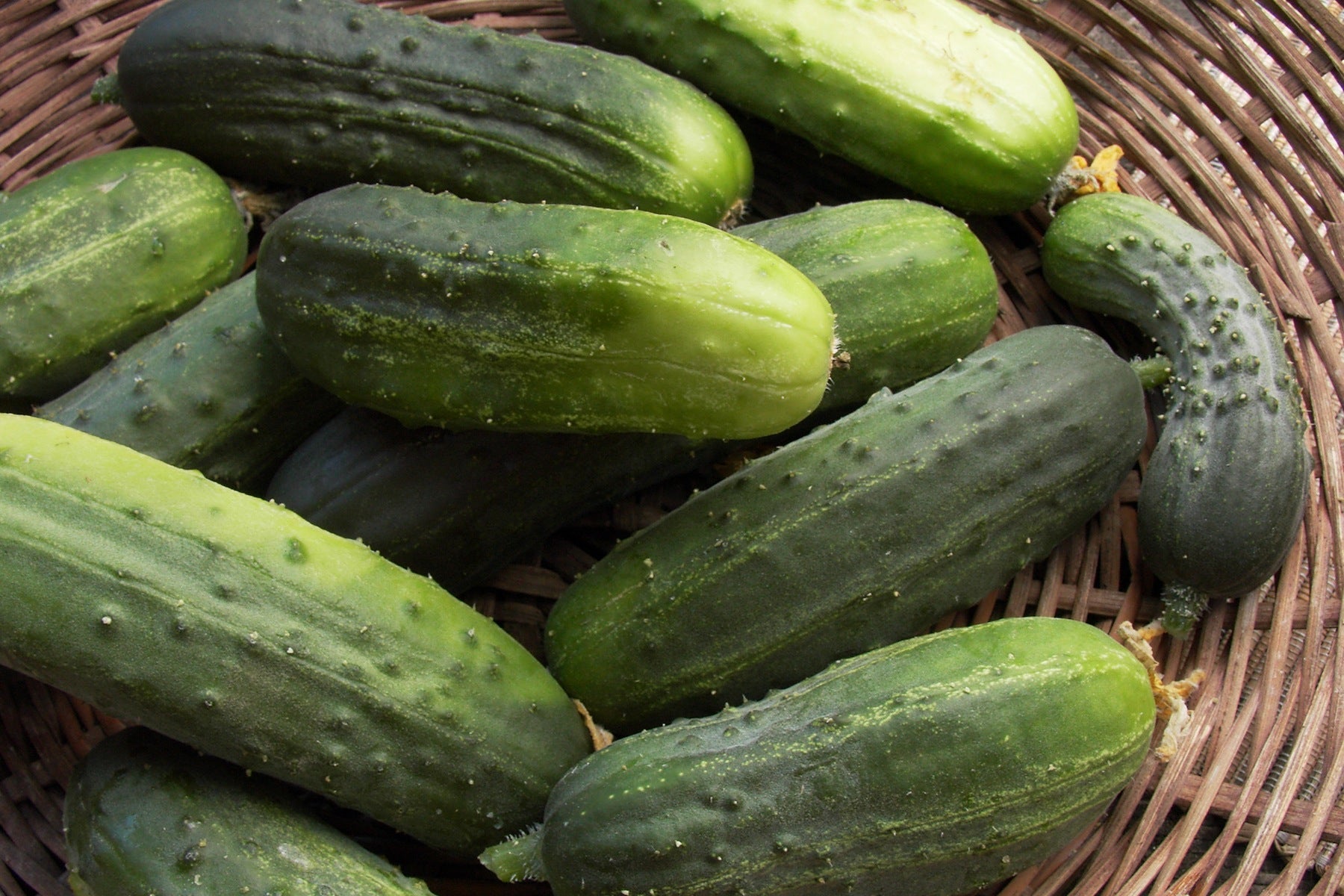
- Many are gynoecious (mostly female flowers) for higher yields and bred for uniform size, shape, and brining quality (firm flesh, small seeds, bumpy skin).
Parthenocarpic (seedless, no pollination needed) types are common in greenhouses/high tunnels.
Planting and Spacing
- Direct seeding is standard for field production: Plant seeds ½–1 inch deep once soil warms.
- Row spacing: 26–48 inches (narrower for machine harvest, e.g., 3-row beds at 26–30 inches).
- In-row spacing: 3–12 inches (thinned to 9–12 inches for hand harvest; denser for mechanical).
- Transplants are used in high tunnels, greenhouses, or for earlier crops (started 18–24 days ahead in peat-based mix).
Plasticulture (raised beds with black or white-on-black plastic mulch + drip irrigation) is increasingly common for fresh-market and some pickling crops. It warms soil, suppresses weeds, conserves moisture, and allows fertigation. Bare-ground systems remain dominant for large-scale mechanical pickling harvests in the Midwest.
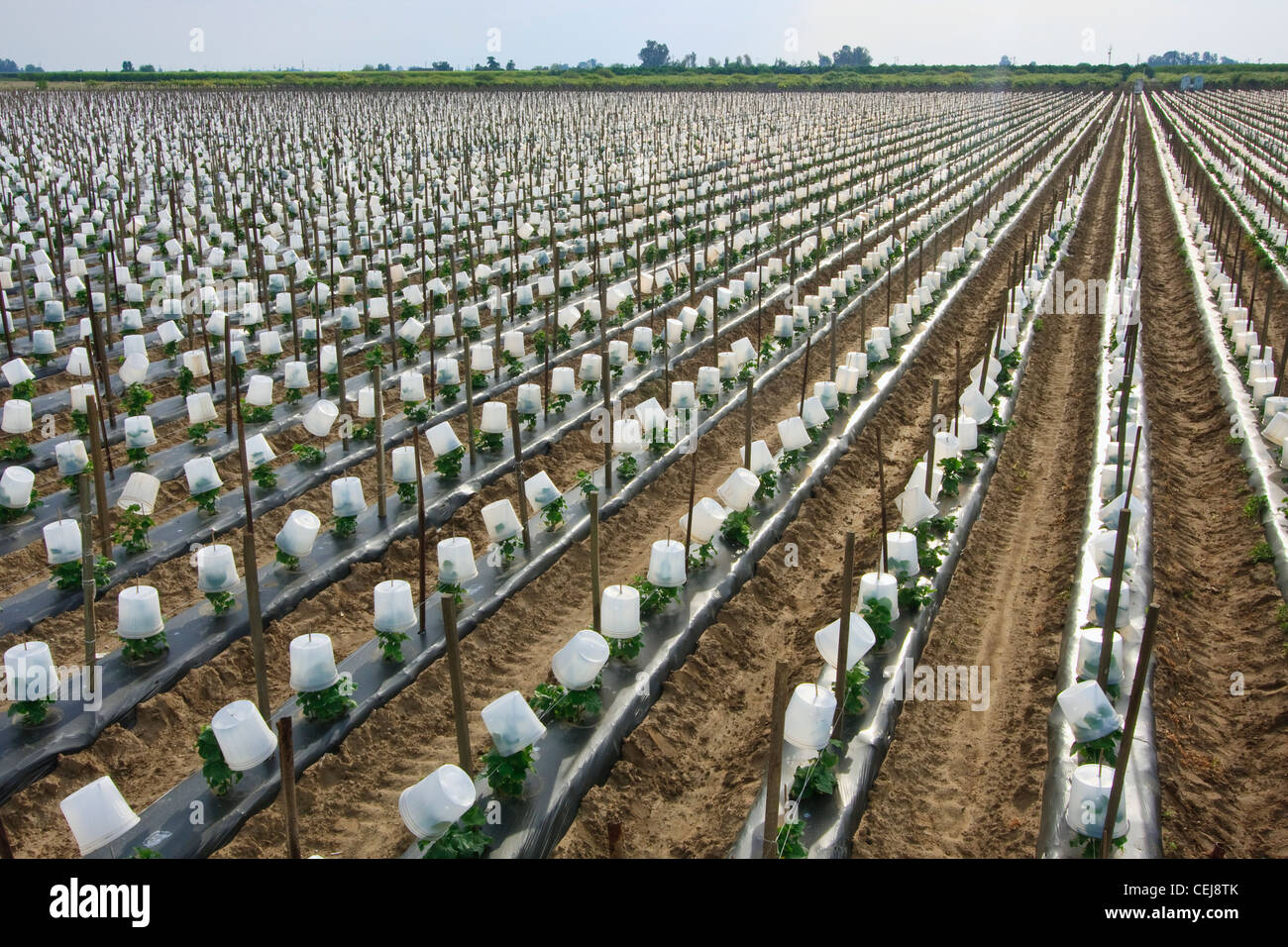
Agriculture – A field of cucumber plants grow through an opening in black plastic mulch with the support of a trellis system Stock Photo – Alamy
Irrigation and Fertigation
Cucumbers need consistent moisture (1–2 inches per week) to prevent bitter fruit, misshapen growth, or blossom-end issues. Drip irrigation is preferred as it keeps foliage dry (reducing disease) and enables precise fertigation. Overhead irrigation is used in some bare-ground fields but increases foliar disease risk. Mulching (plastic or organic) helps retain soil moisture.
Drip Irrigation
Fertilization is based on soil tests. Typical pre-plant needs include balanced NPK (e.g., 60–100 lb N, 40–120 lb P₂O₅ and K₂O per acre), with sidedressing or fertigation of nitrogen during growth. Excess nitrogen promotes vines over fruit.
Training, Pruning, and Protected Culture
- Field production (pickling): Vines often sprawl on the ground for mechanical harvest.
- Fresh-market or high-value: Trellising or vertical training on strings, fences, or high-wire systems in greenhouses/high tunnels improves airflow, reduces disease, and eases harvest.

Seasonal High Tunnel Production: Organic Cucumber Guide – Carolina Farm Stewardship Association
- High tunnels and greenhouses extend the season by 2–4 weeks earlier/later, boost yields, and support vertical systems. Pruning (removing suckers) and training (e.g., modified-umbrella or high-wire) are standard in protected culture.

High-wire vs. Modified-Umbrella Training Systems for Hydroponic Cucumbers
Pollination
Most commercial pickling and slicing varieties require bee pollination (honeybees or bumblebees). Parthenocarpic greenhouse types do not. Proper hive placement is critical during flowering.
Pest and Disease Management
Common issues include:
- Diseases: Downy mildew, powdery mildew, bacterial wilt, anthracnose, cucumber mosaic virus, and newer threats like cucumber green mottle mosaic virus.
- Pests: Cucumber beetles, aphids, spider mites, squash bugs. Integrated Pest Management (IPM) relies on resistant varieties, crop rotation, scouting, and targeted sprays. Plasticulture and good airflow help suppress many foliar diseases.
Harvesting
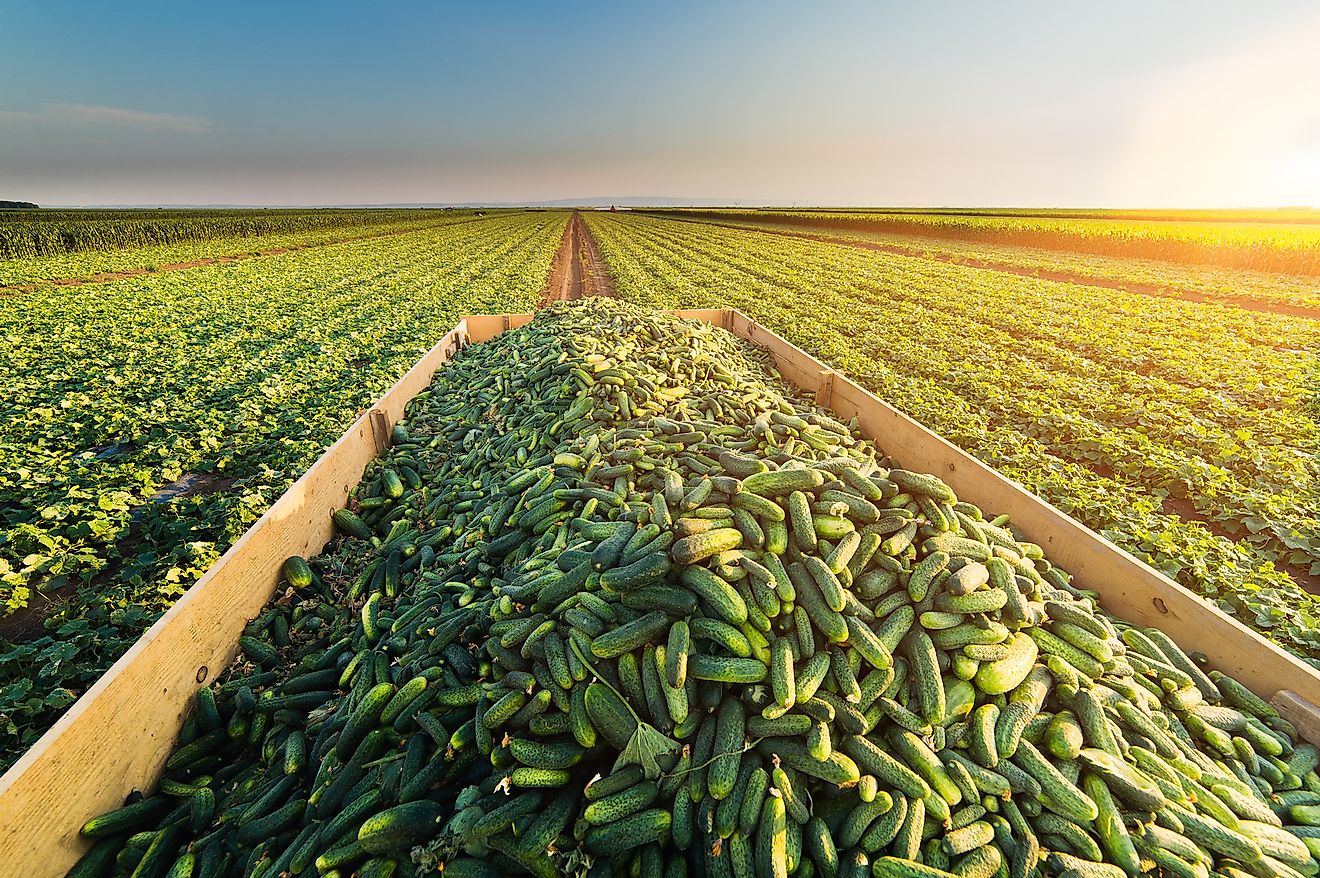
- Pickling cucumbers: Harvested small and uniform (often 1.5–5 inches depending on grade: gherkins are the smallest). Mechanical once-over harvest is common in Michigan for processing contracts — plants are mowed and fruit separated. Multiple hand picks occur for higher-value or fresh markets.
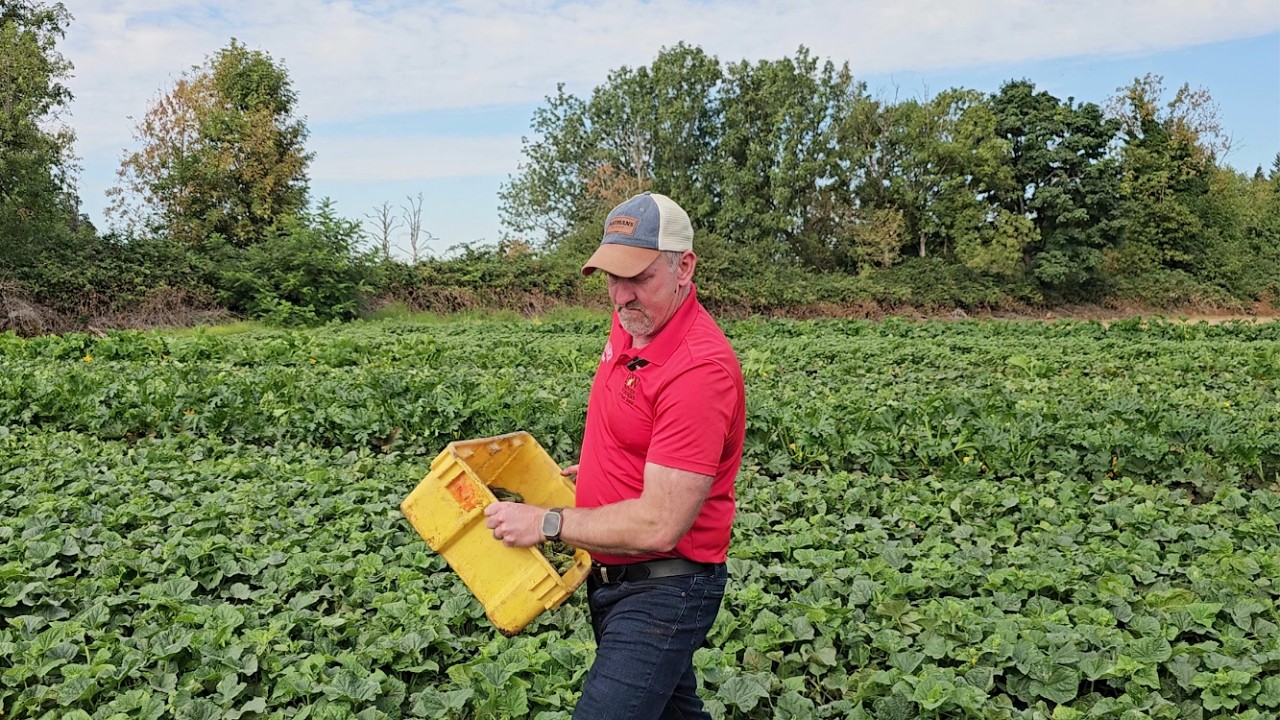
Growing, Picking, and Pickling Cucumbers 🥒 || Bauman’s Farm & Garden
- Frequency: Pick every 1–3 days in hand systems to encourage continuous fruit set and maintain quality. Over-mature fruit (large, yellow, seedy) reduces plant productivity.
- Ideal gherkin size: Often 1.5–2.5 inches long for premium small pickles.
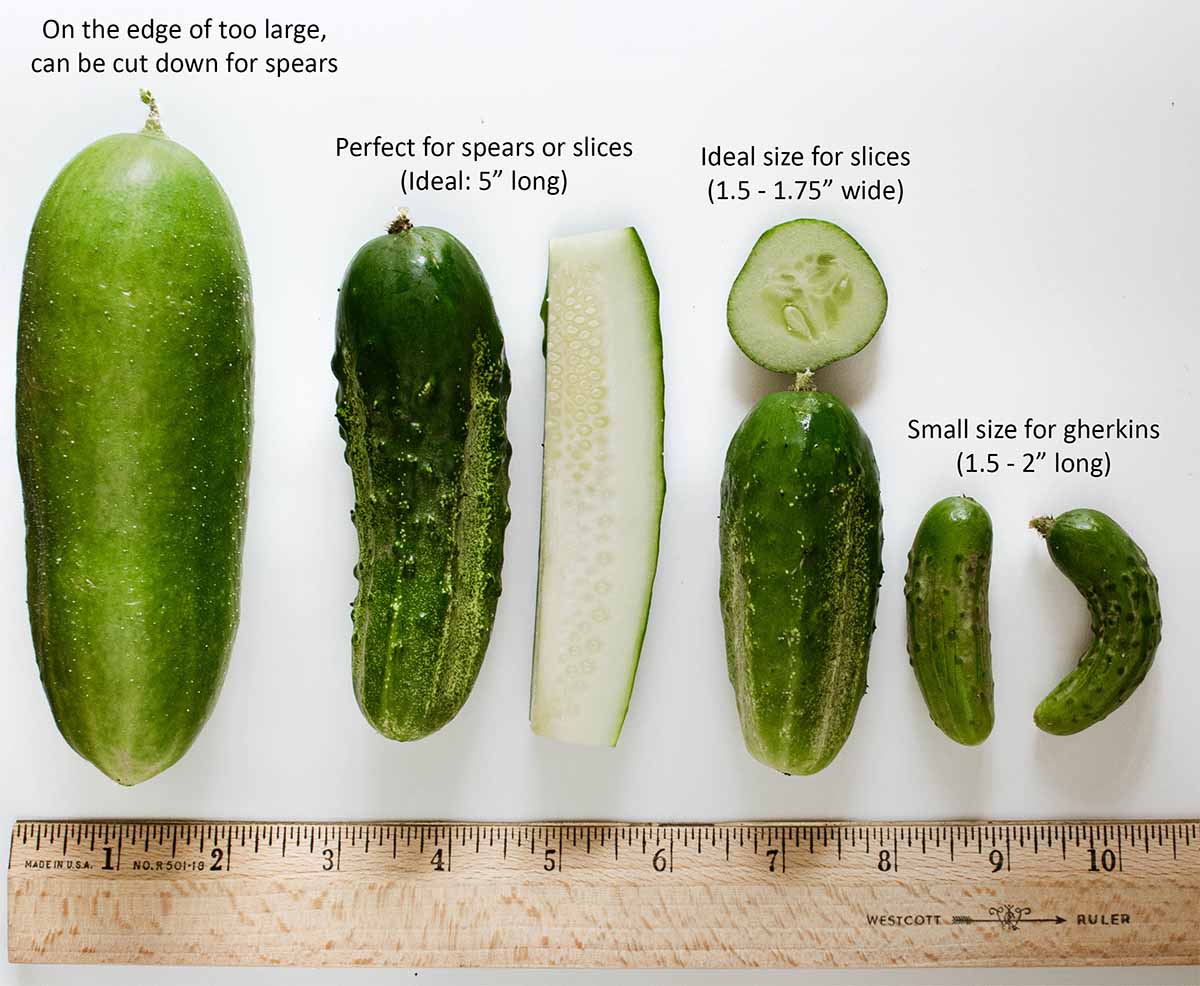
When to pick pickling cucumbers (with pictures!)
Yields vary widely: 10–20+ tons/acre in field mechanical systems; much higher in optimized plasticulture or protected systems.
Post-Harvest and Marketing
Fresh cucumbers go to packinghouses for washing, grading, and cooling. Pickling types move quickly to processors for brining. US production faces competition from imports, especially fresh cucumbers from Mexico.
Global Cucumber Supplier | Fresh, Organic & Pickling Varieties
Challenges and Trends
- Declining acreage due to labor costs, imports, and weather risks.
- Rising adoption of plasticulture, drip irrigation, high tunnels, and disease-resistant hybrids.
- Focus on mechanization and sustainability (reduced water/chemical use).
- Climate variability affects northern production windows.
Comparison Note: Unlike intensive drip mulching + fertigation systems common in India’s export-oriented gherkin farming (which emphasize frequent small-fruit picks and high water-use efficiency), US pickling cucumber production leans toward scale, mechanization, and once-over harvest for cost efficiency. However, US fresh-market and protected-culture growers increasingly use similar precision techniques for quality and season extension.
Gherkin/pickling cucumber farming in the USA remains a vital part of the vegetable and processing industries, blending traditional field methods with modern protected agriculture innovations.
Endeavor’ Pickling Cucumber – Renee’s Garden
For site-specific recommendations, consult local university extension services (e.g., Michigan State University, Penn State, or Oregon State) and conduct soil tests. Success depends on matching varieties, irrigation, and harvest timing to your market and climate.