

In the United States, the term “gherkin” commonly refers to small, immature pickling cucumbers (Cucumis sativus) that are processed into pickles, rather than the distinct West Indian burr gherkin. Gherkins and pickled cucumbers form a significant part of the broader pickle category, which is deeply embedded in American diets as a condiment, snack, and ingredient.
:max_bytes(150000):strip_icc()/ar-dill-pickle-taste-test-4x3-f8155085b57d443491654f7cd5640016.jpg)
I Tried 7 Grocery Store Dill Pickles, and the Winner Is a Total Classic
Pickles, predominantly made from cucumbers (including gherkins), represent a mature yet evolving market. The US packed pickles segment was valued at approximately USD 2.3 billion in 2025 and is projected to reach USD 3.5 billion by 2035, growing at a CAGR of around 4.5%. The overall US pickles market stands near USD 3.2 billion in 2025, expected to grow to USD 4.0 billion by 2034 at a CAGR of 2.57%. North America dominates global pickle consumption trends, with the US accounting for the lion’s share.
Per Capita Consumption
Americans consume a substantial amount of pickles annually. Estimates from various sources place average per capita consumption at 8–9 pounds (approximately 3.6–4.1 kg) of pickles per person per year, though some analyses cite lower figures around 2.5 kg depending on the exact definition (whole pickles vs. all pickled products).
Historical data shows that while fresh cucumber consumption has gradually increased since the 1970s, per capita pickle consumption has declined modestly over decades but stabilized in recent years. Total cucumber consumption (fresh + processed) remains relatively flat, with variations driven more by pickled products. The pickle industry is considered mature, yet innovation sustains demand.
Household consumption trends indicate steady participation, with millions of US households regularly purchasing pickles. Popular formats include spears, slices, wholes, and mini gherkins, often sold in glass jars or plastic containers for convenience.

U.S.: amounts of pickles consumed 2020| Statista
Popular Types and Flavors
- Dill pickles dominate preferences, favored by over 50% of consumers (especially those 45+ and in the Midwest/West). They are tangy, garlicky, and versatile.
- Bread-and-butter (sweet) pickles appeal to about 22%, more popular in the Northeast.
- Sour, spicy, and gherkin-style (small, crisp) hold smaller but growing shares, with younger consumers (under 45) showing higher interest in sour and bold flavors.
- Kosher dill and refrigerated varieties (e.g., Claussen) emphasize crunch and natural fermentation-like qualities.
- Emerging trends include probiotic/fermented pickles, low-sodium, organic, clean-label, and flavored options (hot & spicy, sweet-spicy, or international twists). Fruit-based pickles lead in some segments due to cucumber dominance.
Major brands like Vlasic, Claussen, Mt. Olive, and artisanal names (Grillo’s, Bubbies) dominate retail shelves.

It doesn’t say ‘pickles’ on most pickle jars. Why is that? | NewsNation
Consumption Channels and Occasions
- Foodservice/QSR: A major driver. Pickles feature prominently on burgers, sandwiches, and sides at chains like McDonald’s, Burger King, Sonic, and fast-casual spots. They add crunch, acidity, and flavor contrast. Collaborations (e.g., Sonic with Grillo’s) highlight growing integration.
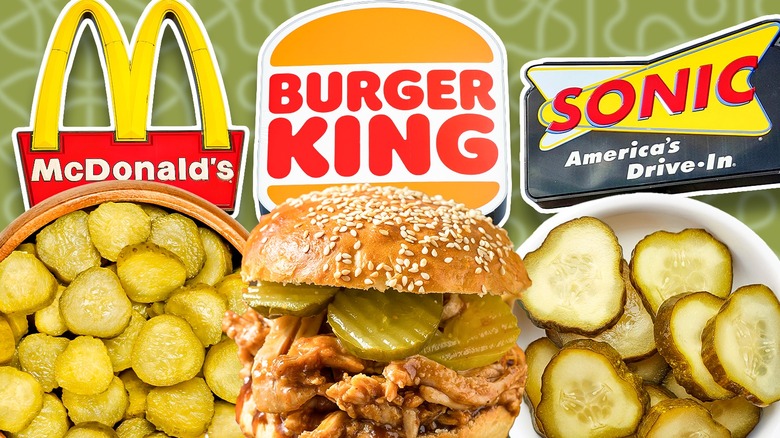
The Ultimate Ranking Of Fast Food Pickles
- Retail/Grocery: Jars and tubs for home use in sandwiches, salads, snacks, or charcuterie. Convenience packaging supports on-the-go eating.
- Snacking: Pickles are positioned as a healthier, low-calorie alternative to chips, appealing to health-conscious consumers.
- Home Cooking: Rising interest in fermentation, gut health (probiotics), and bold flavors fuels DIY and premium purchases.
Demographics show broad appeal, but Gen Z and millennials drive innovation through social media trends, obsession with tangy/spicy foods, and functional benefits like digestive health. Older adults stick to classics like dill.
Key Trends Influencing Consumption
- Health and Wellness: Growing demand for probiotic-rich fermented pickles, low-sodium, organic, and clean-label products. Pickles fit into plant-based and gut-health diets.
- Flavor Innovation: Bold, global, and spicy varieties; premium artisanal options gaining traction.
- Convenience and Premiumization: Ready-to-eat formats, portioned packs, and high-quality refrigerated pickles.
- Sustainability and Transparency: Preference for non-GMO, traceable sourcing.
- Social Media & Culture: “Peak pickle era” fueled by viral posts, with younger generations treating pickles as a flavor obsession.

Various Pickled Vegetables Glass Jars Create Vibrant Display Against Dark Background Colorful Assortment Includes Pickled Stock Illustration – Illustration of assorted, meal: 360544819
Despite a slight long-term decline in traditional pickle volume per capita, the market grows through value-added products and expanded uses. Domestic production focuses on pickling cucumbers (led by Michigan), but imports of fresh cucumbers (mainly from Mexico) and some preserved gherkins supplement supply.
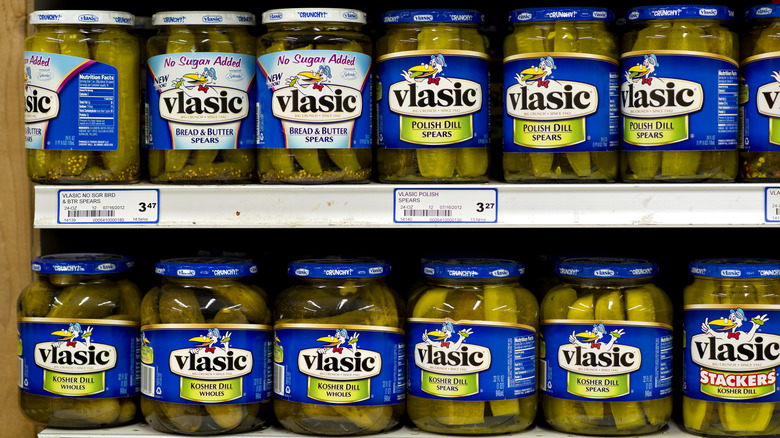
Your Favorite Brand Of Pickles Might Not Be The Real Dill
Outlook
Consumption patterns remain strong and stable, supported by cultural familiarity and evolving preferences for health, convenience, and excitement. The US pickle market is projected to continue modest growth through 2030–2035, driven by foodservice expansion, premium segments, and functional food trends. Gherkin-style small pickles contribute to this as versatile, high-quality inputs for both industrial processing and retail.
For context, while India’s export-oriented gherkin production supplies global markets (including some to the US), American consumption leans heavily toward domestically processed or branded retail products emphasizing crunch, flavor, and increasingly, health attributes.
This enduring love for pickles — whether classic dill spears on a burger or probiotic gherkins as a snack — underscores their role as a staple in the American pantry and plate. Trends suggest continued resilience with room for premium and innovative growth.