

In the United Kingdom, “gherkin” generally refers to small pickled cucumbers (Cucumis sativus), commonly sold as dill gherkins, burger/sandwich slices, whole gherkins, or cornichons (tiny sour pickles). They serve mainly as a tangy, crunchy condiment rather than a bulk vegetable. Gherkins feature prominently in classic British fare like ploughman’s lunches, cheese boards, sandwiches, burgers, hot dogs, and salads, adding sharpness that balances rich meats and cheeses.
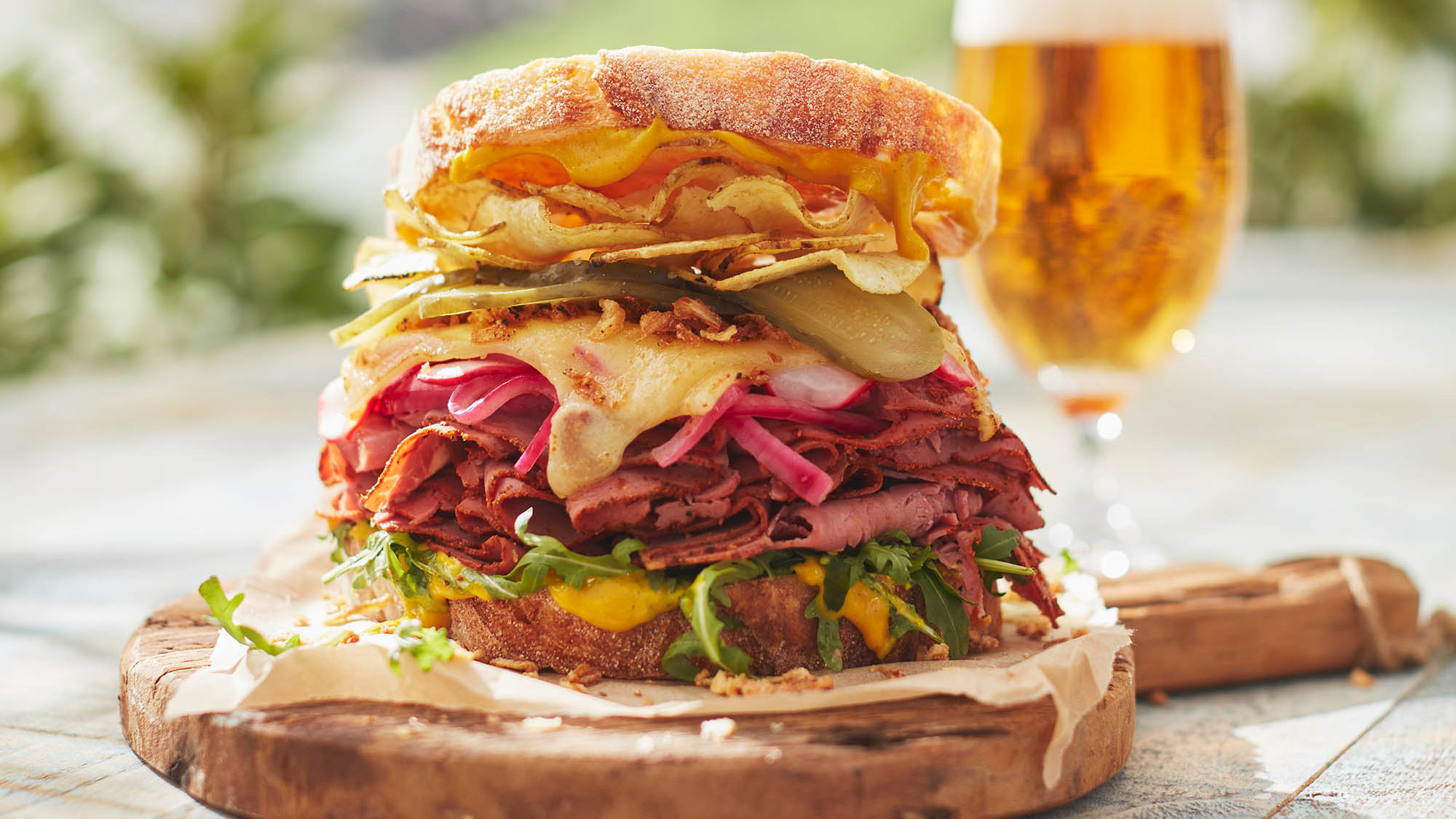
Consumption of gherkins forms part of the broader pickled vegetables category, which enjoys steady demand rooted in traditional British pickling culture while evolving with health, convenience, and multicultural influences.
Market Size and Volume Trends
The combined cucumbers and gherkins market in the UK reached approximately 236,000 tons in 2024, marking a 3.7% increase from 2023. This category has grown at an average annual rate of +1.8% from 2013 to 2024, with the market value hitting around $403 million in 2024.
The pickled gherkins/pickles segment (including cucumber-based pickles) is smaller but shows positive momentum. The UK holds a significant share of the European pickles market (around 18% in recent estimates), driven by demand for convenient, flavorful add-ons. Long-term European pickled cucumber and gherkin growth is projected at 1–2% annually, with the UK benefiting from similar trends. The broader UK pickles market benefits from cost-of-living pressures favoring affordable pantry staples like canned and jarred pickles.
Domestic production of cucumbers and gherkins has declined, leading to heavy reliance on imports (primarily from Spain, the Netherlands, and processed products from India, Turkey, and Eastern Europe) to meet demand.
Per Capita and Household Consumption
Specific per capita figures for gherkins alone are not widely published, as they fall under broader “pickles and sauces” or “other fruiting vegetables” categories. Household purchase data for pickles and sauces shows relatively stable weekly consumption per person, though exact gram weights vary by year. Gherkins are consumed more as occasional condiments than daily staples, with average intake remaining modest compared to fresh cucumbers.
There are an estimated 6.8 billion sandwich occasions in the UK each year, yet less than 0.5% currently include a gherkin — highlighting significant untapped potential for growth in everyday meals.
Popular Types and Flavors
- Dill gherkins — The dominant choice: sour, garlicky, and crunchy. Brands like Mrs Elswood (the UK’s longtime number one gherkin brand), Baxters, Opies, Kühne, and supermarket own-labels lead the market.
- Burger gherkins / sandwich slices — Popular for quick assembly in fast food and home cooking.
- Whole gherkins and cornichons — Favored for cheese boards, charcuterie, and gourmet applications.
- Sweet & sour or flavored varieties — Growing alongside traditional dill.
Consumers value crunch and balanced tanginess. Emerging demand exists for naturally fermented (probiotic) options, organic, low-sodium, and artisanal varieties with herbs or spices. Multicultural influences have introduced bolder flavors, though dill remains mainstream.
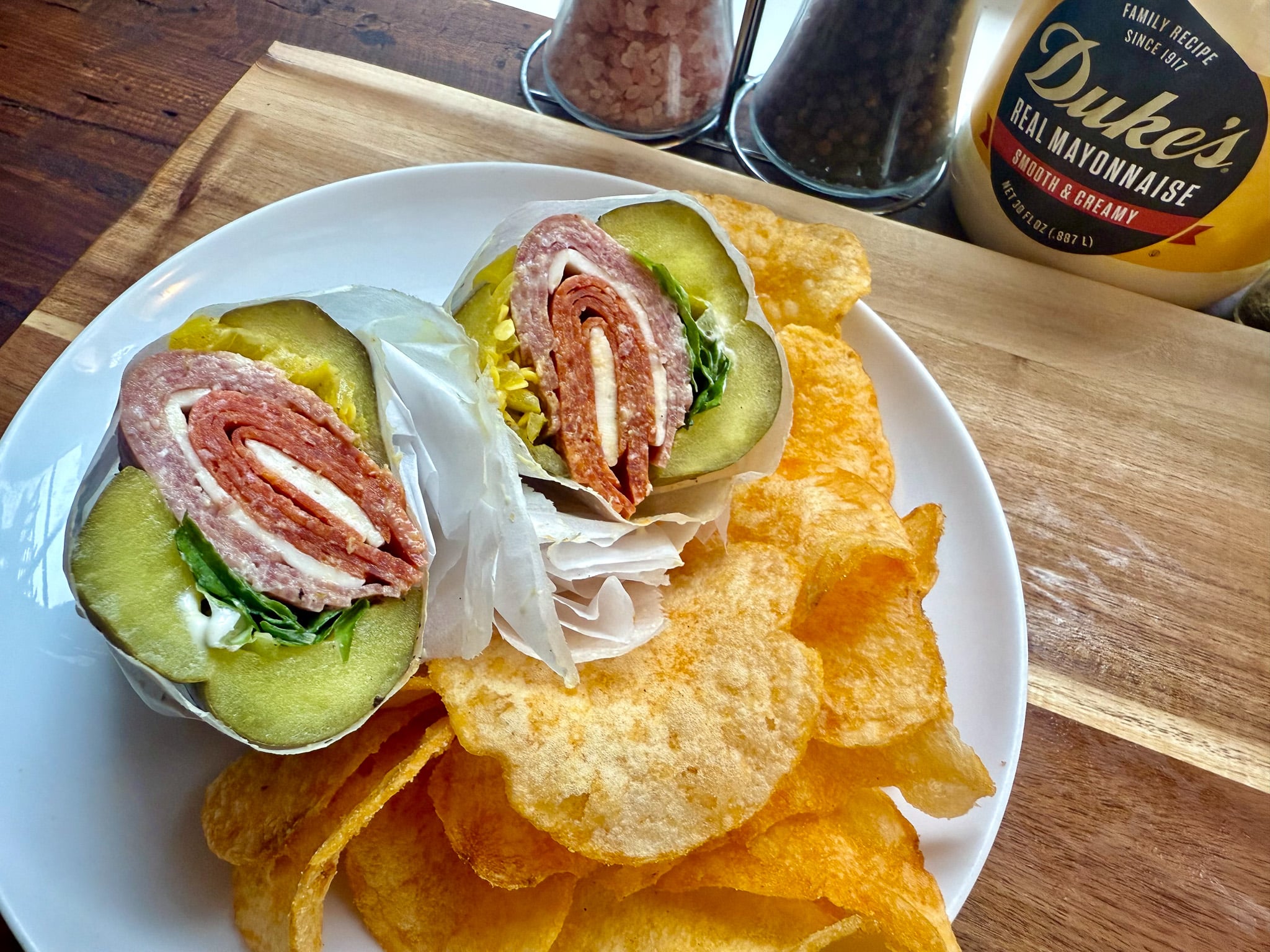
Consumption Channels and Occasions
- Retail/Grocery: Major supermarkets (Tesco, Sainsbury’s, Asda, Morrisons, Waitrose) and discounters drive most volume. Jars and tubs are pantry staples.
- Foodservice: Widely used in burgers, hot dogs, sandwiches, pub meals, and casual dining. Quick-service outlets incorporate them for flavor contrast.
- Home Use: Added to ploughman’s lunches, cheese platters, salads, and homemade recipes. Growing interest in snacking and “livening up lunches.”
- Entertaining & Snacking: Featured on charcuterie boards; positioned as a low-calorie, crunchy alternative.
Mrs Elswood’s “Put some PUNCH in your lunch” campaign (2024) specifically targets the low gherkin penetration in sandwiches, encouraging greater everyday use.
Key Trends Influencing Consumption
- Health and Wellness: Gherkins appeal as low-calorie, hydrating snacks. Fermented varieties gain traction for gut health and probiotics.
- Convenience and Snacking: Pre-sliced burger gherkins and ready-to-eat formats suit busy lifestyles and on-the-go eating.
- Flavor Innovation and Premiumization: Artisanal, organic, and bold-flavored options (spicy, herbed) attract foodies, alongside traditional British pickles like piccalilli and pickled onions.
- Cost-of-Living Resilience: Affordable jarred pickles perform well as consumers seek value in pantry staples.
- Sustainability: Preference for traceable, responsibly sourced, or British-grown where possible, though imports dominate.
Challenges and Outlook
- High Sodium: Traditional brined gherkins can deter health-conscious or hypertensive consumers; low-sodium lines are expanding.
- Import Dependence: Supply chain reliance on Europe and beyond makes the market sensitive to trade fluctuations.
- Competition: Other condiments and fresh vegetables vie for attention.
Overall, gherkin consumption in the UK is stable to modestly growing, embedded in traditional eating habits while expanding through health trends, sandwich innovation, and premium offerings. The market is expected to continue its gradual upward trajectory through the late 2020s and into the 2030s, supported by convenience, gut-health awareness, and culinary experimentation.
For the most current data, refer to sources like IndexBox, Statista, CBI (Centre for the Promotion of Imports), and UK supermarket category reports. Brands like Mrs Elswood continue to drive visibility through targeted marketing.
Gherkins remain a versatile, zesty staple in British kitchens — whether adding crunch to a classic cheese sandwich or elevating a modern burger. Their future looks bright as consumers seek flavorful, affordable ways to enhance everyday meals.