

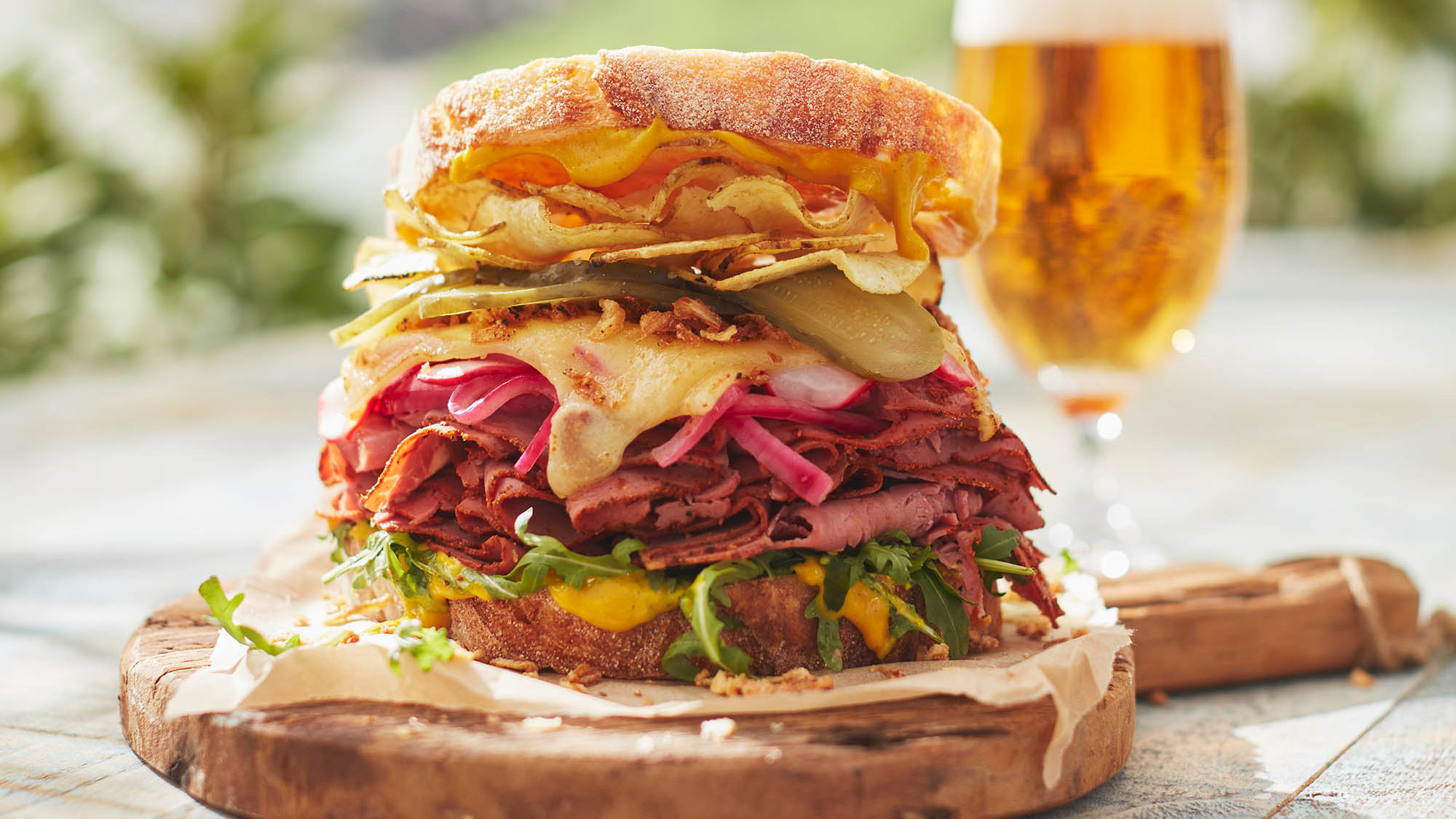
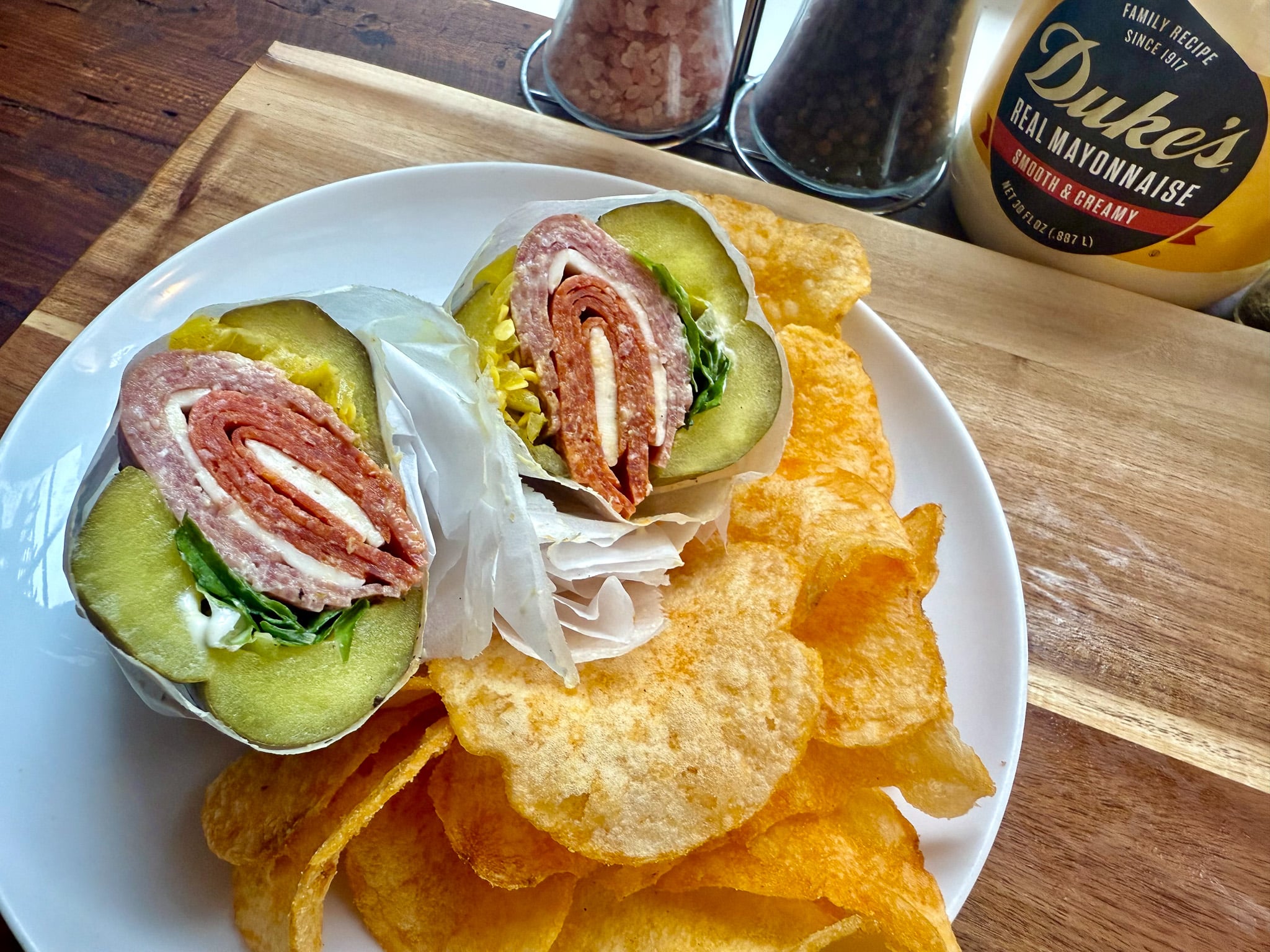
In South America, “gherkin” typically refers to small pickled cucumbers (Cucumis sativus), often sold as dill gherkins, sandwich slices, spears, or cornichons. Consumption is modest and concentrated in urban areas, where gherkins serve primarily as a tangy condiment rather than a staple food. They appear in burgers, sandwiches, hot dogs, salads, and as sides in fast food or casual dining. Traditional local pickles (such as Brazilian picles — mixed pickled vegetables — or similar preparations in Argentina and Chile) remain more popular than Western-style dill gherkins.
South America is more prominent as an emerging production and export zone for cucumbers and gherkins than as a high-volume consumption market. Domestic demand is growing slowly, driven by urbanization, Western fast-food influence, and interest in convenient, health-oriented snacks.
Market Size and Trends
- The broader cucumbers and gherkins category (fresh + processed) in Latin America shows steady growth, with South America contributing to regional expansion at around 4–5% CAGR in related segments.
- The pickled cucumber / pickled gherkin segment in Latin America (including South America) forms part of a smaller but expanding market. Latin America accounted for over 5% of the global fermented cucumber market in recent estimates (valued at ~USD 56 million regionally in 2023), growing at ~5.5% CAGR.
- Country-level insights for pickled gherkins show Brazil as the largest market in South America, followed by Argentina, Colombia, Chile, and Peru. Brazil’s pickled gherkin segment was estimated at around USD 70–130 million in recent projections, with positive growth.
- Overall Latin America pickles market (including gherkins) is projected to grow from ~USD 0.88 billion to higher values by 2033 at moderate CAGRs, supported by rising middle-class demand and supermarket expansion.
Fresh cucumbers dominate local consumption for salads and everyday use, while pickled gherkins remain a niche condiment.
Per Capita and Household Consumption
Specific per capita data for gherkins is limited and low across the region. Consumption is occasional rather than daily:
- In Brazil, pickled vegetables (including gherkin-style products) appear as table condiments in restaurants and households, with overall pickle consumption estimated at around 2.1 kg per capita annually in some reports (though this includes mixed picles).
- Urban middle-class households in major cities (São Paulo, Buenos Aires, Santiago, Bogotá, Lima) show higher usage in Western-style meals.
- Rural and traditional diets rely more on homemade or local pickled vegetables with regional spices rather than imported-style dill gherkins.
Popular Types and Flavors
- Dill gherkins and sour pickles — Gaining popularity in fast-food chains.
- Mixed picles (Brazil) — Pickled vegetables (carrots, cauliflower, cucumbers) served with churrasco or sandwiches.
- Spicy or locally flavored variants — Consumers prefer bold, robust flavors that blend with Latin American cuisine (e.g., with chili or herbs).
- Fermented options — Emerging interest due to perceived gut-health benefits (probiotics), especially in urban health-conscious segments.
- Sweet-sour or sandwich slices are used in burgers and hot dogs at QSRs.
Brands include local producers and international names available in supermarkets (Carrefour, Walmart, Jumbo, etc.).
Consumption Channels and Occasions
- Foodservice/QSR: Major driver — used in burgers, sandwiches, and pizzas at international chains (McDonald’s, Burger King) and local fast-food outlets.
- Retail/Supermarkets: Jarred or bottled gherkins available in modern trade, especially in premium or imported sections. Growing quick-commerce availability in big cities.
- Home Use: Added to sandwiches, salads, or charcuterie-style platters in urban homes.
- Entertaining: Occasionally featured on appetizer platters or as a side.
Multicultural influences and the expansion of Western-style dining have slowly increased visibility, but traditional condiments still dominate.
Key Trends Influencing Consumption
- Urbanization and Westernization — Rise of fast food and international cuisine boosts gherkin use in burgers and sandwiches.
- Health Awareness — Growing demand for low-calorie snacks, fermented/probiotic foods, and natural options.
- Convenience — Ready-to-eat bottled products appeal to busy urban consumers.
- Flavor Fusion — Preference for spicy or locally inspired variants over plain dill.
- Retail Modernization — Expansion of supermarkets and e-commerce improves access in major cities.
Challenges and Outlook
- Strong preference for traditional local pickles and condiments limits mass adoption of Western-style gherkins.
- Price sensitivity in many markets favors cheaper homemade or local alternatives.
- High sodium content may deter some health-focused consumers.
- Import dependence for certain premium or branded products.
Overall, gherkin consumption in South America remains small but gradually increasing, especially in Brazil, Argentina, and urban centers. Growth is supported by fast-food expansion, health trends, and premium retail, though it is unlikely to rival traditional pickled vegetables or fresh cucumbers in the near term. The region continues to play a stronger role in production/export than in high-volume domestic consumption.
For the latest figures, refer to reports from Cognitive Market Research, IndexBox, Mordor Intelligence, or national statistics offices. In countries like Brazil and Argentina, focus on QSR channels and fermented variants offers the best opportunities for growth.
Gherkins in South America are slowly finding a place as a modern, convenient condiment amid evolving urban diets, while traditional flavors continue to rule everyday tables.