

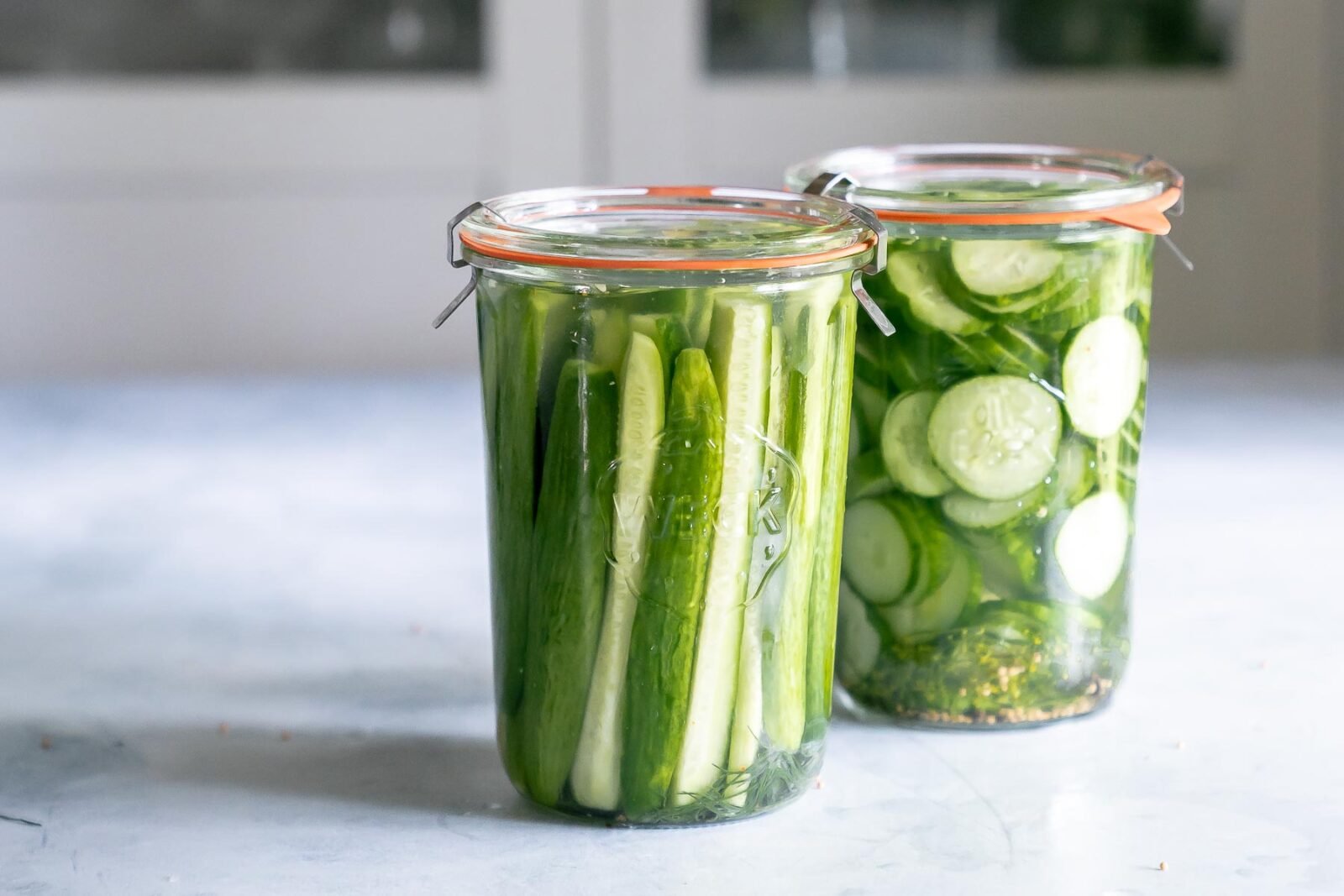
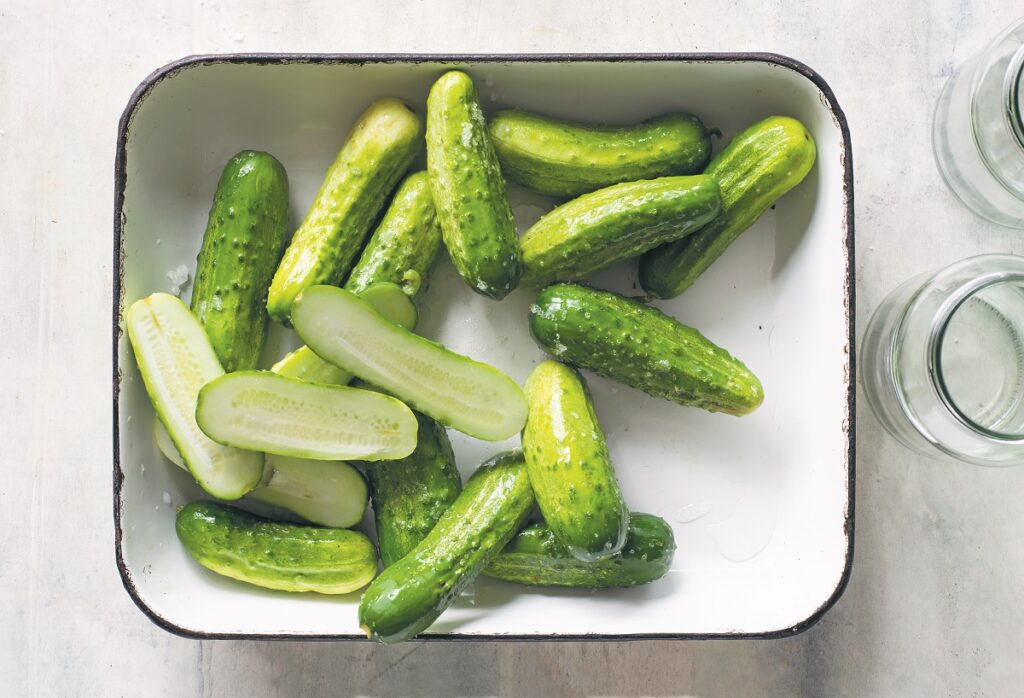
Gherkins, also known as pickled cucumbers or small pickling cucumbers (Cucumis sativus), are a popular condiment worldwide, especially in the USA where they appear as dill pickles or sandwich slices. While often enjoyed for their crunchy, tangy flavor, gherkins—particularly naturally fermented ones—offer notable nutritional and health benefits. They are low in calories, provide essential vitamins and minerals, and deliver probiotics when properly fermented.
Nutritional Profile
Gherkins are low-energy foods. A typical serving of sour dill pickles (about 100g) provides roughly 11–15 calories, with minimal fat and protein. They are a good source of:
- Vitamin K — Often 30–50% of daily needs per 100g, supporting blood clotting and bone health.
- Antioxidants — Including beta-carotene (converted to vitamin A), flavonoids, and polyphenols that combat oxidative stress.
- Minerals — Potassium, magnesium, and small amounts of calcium and phosphorus.
- Fiber — A modest amount that aids digestion.
Sweet gherkins contain more sugar and calories (around 30 calories per 28g serving), while sour/fermented varieties are lower in sugar but higher in sodium (often 1,000+ mg per 100g due to brining).

Cucumber Nutrition Facts: Over 45 Royalty-Free Licensable Stock Illustrations & Drawings | Shutterstock
Key Health Benefits
1. Gut Health and Probiotics (Especially Fermented Gherkins) Naturally lacto-fermented gherkins (made with saltwater brine, not just vinegar) are rich in live beneficial bacteria like Lactobacillus. These probiotics support a healthy gut microbiome, improve digestion, reduce harmful bacteria, and may help with issues like constipation or bloating. Fermented pickles can also enhance nutrient absorption and boost overall immunity. Note: Many commercial pickles are pasteurized, which kills these live cultures—look for “naturally fermented” or refrigerated varieties for probiotic benefits.
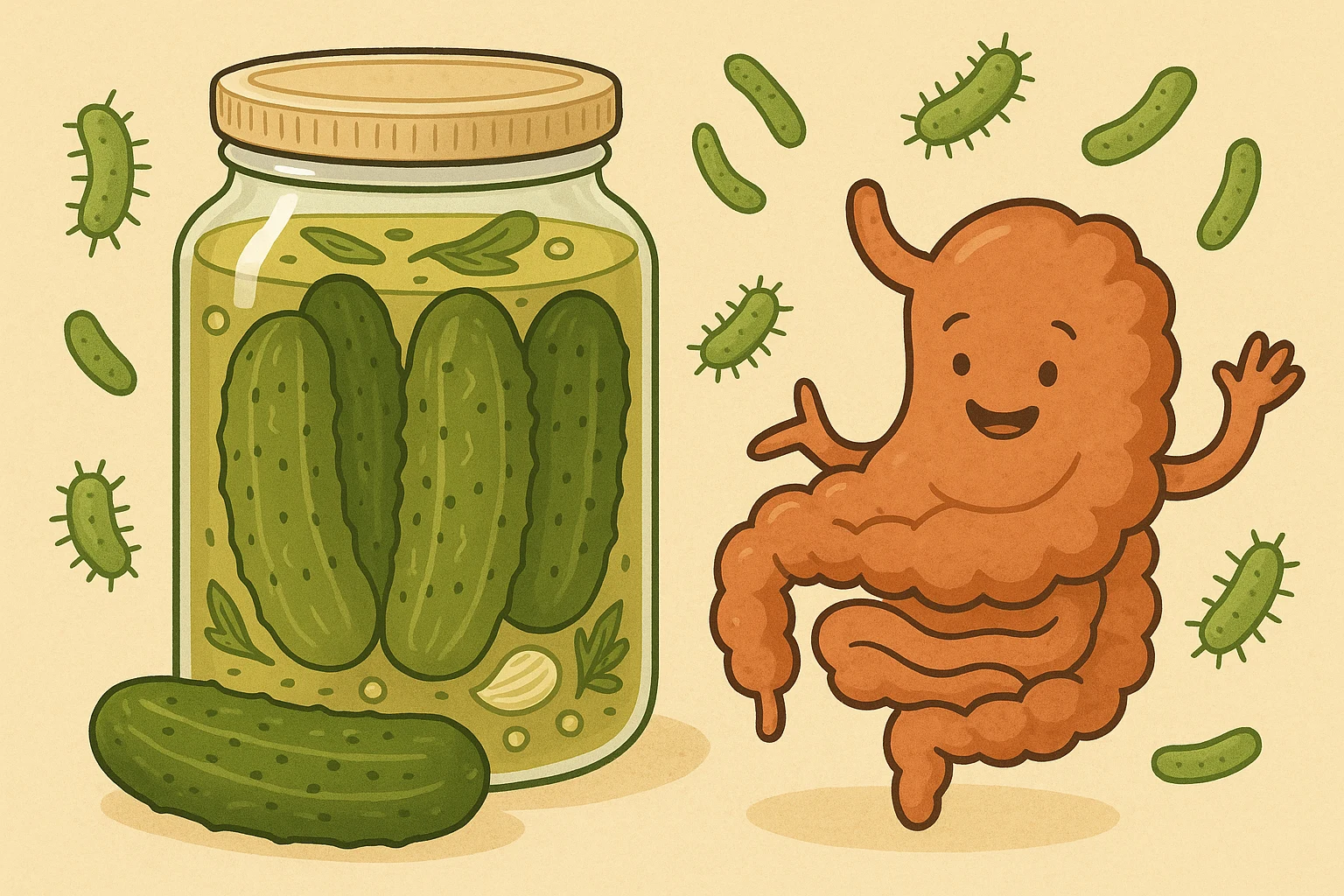
Pickles & Probiotics: How Fermented Pickles Help Your Gut – Vebka Foods
2. Antioxidant and Anti-Inflammatory Effects Gherkins retain antioxidants from cucumbers, including beta-carotene and polyphenols. These compounds help fight free radicals, potentially lowering risks of chronic conditions like heart disease, certain cancers, and inflammation. Fermentation may even increase the bioavailability of some antioxidants and produce beneficial compounds like GABA (gamma-aminobutyric acid), which supports relaxation and blood pressure regulation.
3. Hydration and Electrolyte Balance Pickle juice is popular among athletes because it replenishes sodium, potassium, and other electrolytes lost through sweat. Some studies suggest it may relieve muscle cramps faster than water alone, though evidence is mixed.
4. Potential Blood Sugar Support The vinegar in many pickles (and acetic acid in fermented versions) may help moderate blood sugar spikes after meals. Low-carb dill gherkins are a diabetes-friendly snack option in moderation.
5. Bone and Heart Health High vitamin K content contributes to bone density and proper calcium utilization. Potassium supports healthy blood pressure, while antioxidants may offer cardiovascular protection.
6. Low-Calorie Snacking and Weight Management With very few calories and some fiber, gherkins make a satisfying, crunchy alternative to higher-calorie snacks. Probiotics from fermented types may indirectly support metabolic health and weight control through gut microbiome balance.
7. Other Emerging Benefits Research points to possible anti-hypertensive peptides in fermented cucumbers, immune-boosting effects, and even skin benefits from the hydrating and antioxidant properties of the base cucumber.
Important Considerations and Potential Drawbacks
- High Sodium Content: Most pickled gherkins are salty. People with hypertension, kidney issues, or sodium-sensitive conditions should consume them sparingly or opt for low-sodium versions.
- Fermented vs. Vinegar-Pickled: Only naturally fermented (unpasteurized) gherkins provide live probiotics. Vinegar pickles still offer antioxidants and flavor but lack the microbial benefits.
- Sweet vs. Sour: Sweet gherkins add extra sugar, which may offset some benefits for blood sugar control.
- Moderation is key—enjoy as part of a balanced diet rather than relying on them as a primary nutrient source.
Gherkins are not a superfood, but when chosen wisely (especially fermented dill varieties), they can be a tasty way to support gut health, hydration, and antioxidant intake.

ASMR- Jimmy John’s Pickle Sandwich Mukbang 🥒 – YouTube
How to Maximize Benefits
- Choose refrigerated, naturally fermented pickles when possible.
- Use pickle juice in small amounts for hydration or cramps (dilute if needed).
- Pair with balanced meals: Add gherkin slices to sandwiches, salads, or burgers for crunch without many extra calories.
- Experiment with homemade fermented gherkins for full probiotic power.
Whether you enjoy them as a classic side, in a “picklewich,” or straight from the jar, gherkins bring more to the table than just taste. Consult a healthcare provider or dietitian for personalized advice, especially if you have specific health conditions.
Sources: Insights drawn from USDA research, Cleveland Clinic, WebMD, Healthline, and peer-reviewed studies on fermented foods and cucumber bioactives. Always check labels for sodium and processing methods.